Bocas del Toro & the Islands
“Bocas del Toro is extraordinary precisely because it is impossible to replicate.”
This is not a resort destination that happens to have nature nearby. This is nature, with sanctuary woven into it. Within the archipelago, Tai Nuare occupies 405 acres of Isla San Cristóbal’s peninsula, fifteen minutes by boat from Bocas Town, with its shops, restaurants, airport, new hospital, and port.
Access is by private flight into Bocas del Toro’s international airport, or by short commuter flights from Panama City or San José, Costa Rica, followed by a five-minute taxi to the docks and a fifteen-minute boat ride to the peninsula.
San Cristóbal Island
The most intimate of the archipelago's large islands, 37 km², largely untouched, surrounded by pristine reef, and home to Tai Nuare's 405 acre peninsula.
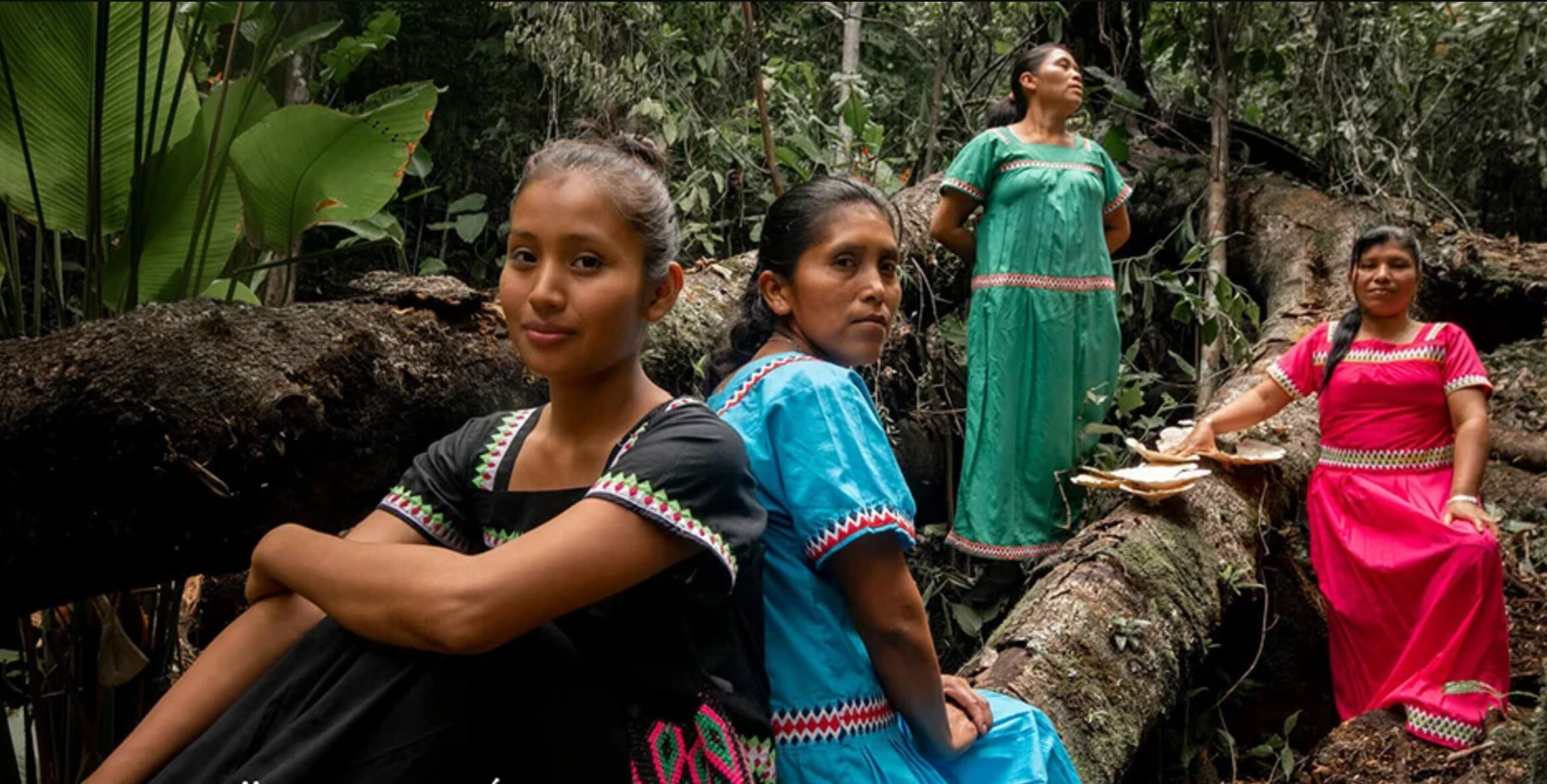
The First Stewards, The Ngäbe-Buglé People
Tai Nuare is built upon ancestral Ngäbe-Buglé territory, received as the foundational truth of every decision made regarding this land. Their crafts, cacao cultivation, oral traditions, and spiritual practices remain alive and intact.
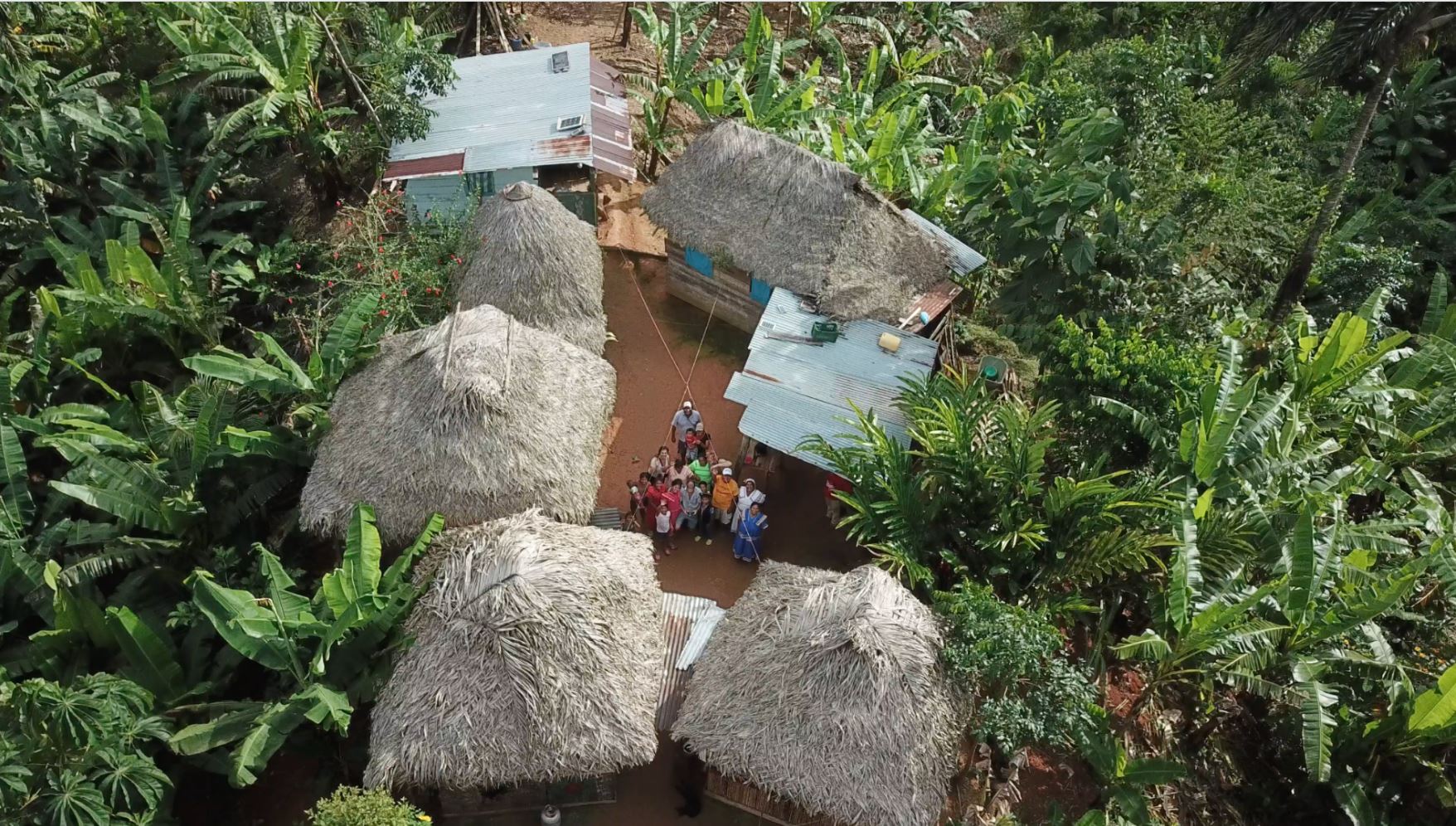
Living Culture
The nagua, worn daily, a living declaration of an unbroken identity.
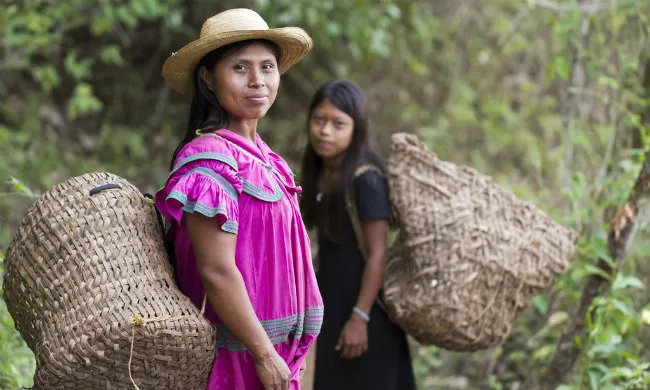
Chácara Weaving
Hand knotted pita palm fiber, geometric patterns encoding lineage and land.
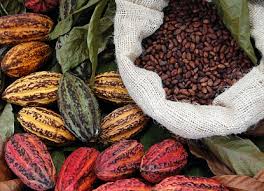
ÑöBä Chocolate Farm
Community owned organic cacao, cultivated in these forests for generations.
Prior Consultation & Consent
No development or land use decision affecting the community proceeds without genuine prior dialogue.
Economic Inclusion
Ngäbe-Buglé artisans, cacao farmers, builders, and guides participate as valued partners, recruited into skilled roles across construction, hospitality, and land management.
Ecological Partnership
Generations of ecological knowledge inform the food forest, botanical gardens, and land restoration, with attribution and compensation.
The indigenous partnership also opens doors to preferential institutional funding sources most projects cannot access, see Development Strategy.
A Community That Has Signed On
The founder holds a strong, long standing relationship with the elders and the shaman of the island's indigenous community. The community is firmly in favor of the project: every adult has signed a petition in support of it. That endorsement gives Tai Nuare a genuine social license that few developments anywhere can claim, and it materially lowers the community and permitting risk that so often stalls projects of this kind.
The community is woven into Tai Nuare by design, not as a gesture. Their culture informs the theming and spirit of the place, and the project creates lasting opportunity for them through employment, food production and sales to the community, guided tours and cultural exchange, and a range of other roles. The relationship is reciprocal: the community helps shape Tai Nuare, and Tai Nuare helps sustain the community.
The Shaman's Living Pharmacy
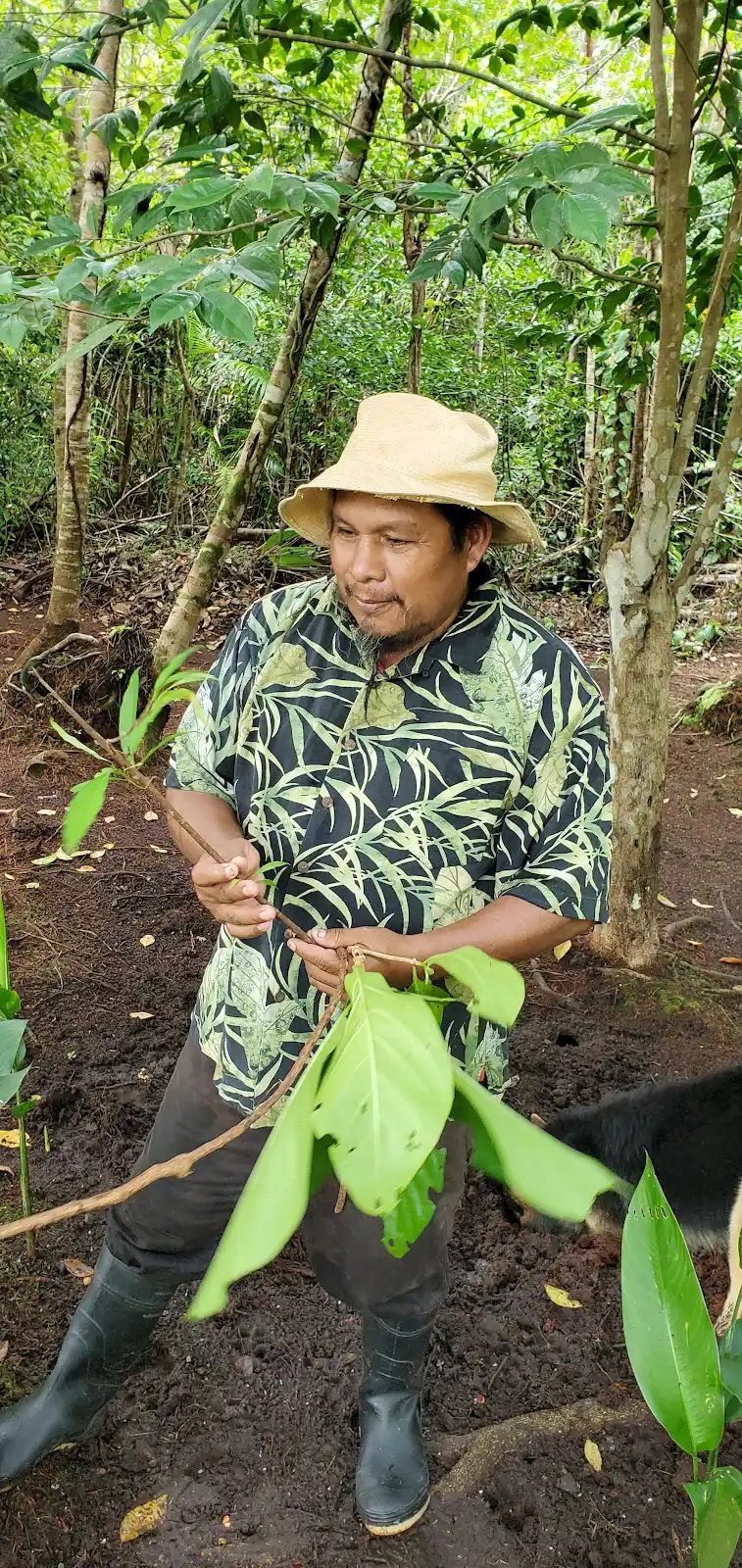
Saavedra, Tai Nuare's resident shaman and plant guardian, has walked the forests of Bocas del Toro his entire life. He leads guided walks through the peninsula's living pharmacy of medicinal plants, ancestral, embodied knowledge offered to stewards and guests through plant walks, ceremonial integration, and apprenticeship immersions.
The Wild Residents
Eight thousand years of island isolation have produced unique color morphs and endemic subspecies, the reason Bocas is called the Galápagos of Central America. The peninsula and its waters host 48+ signature species across four realms:
Marine Realm
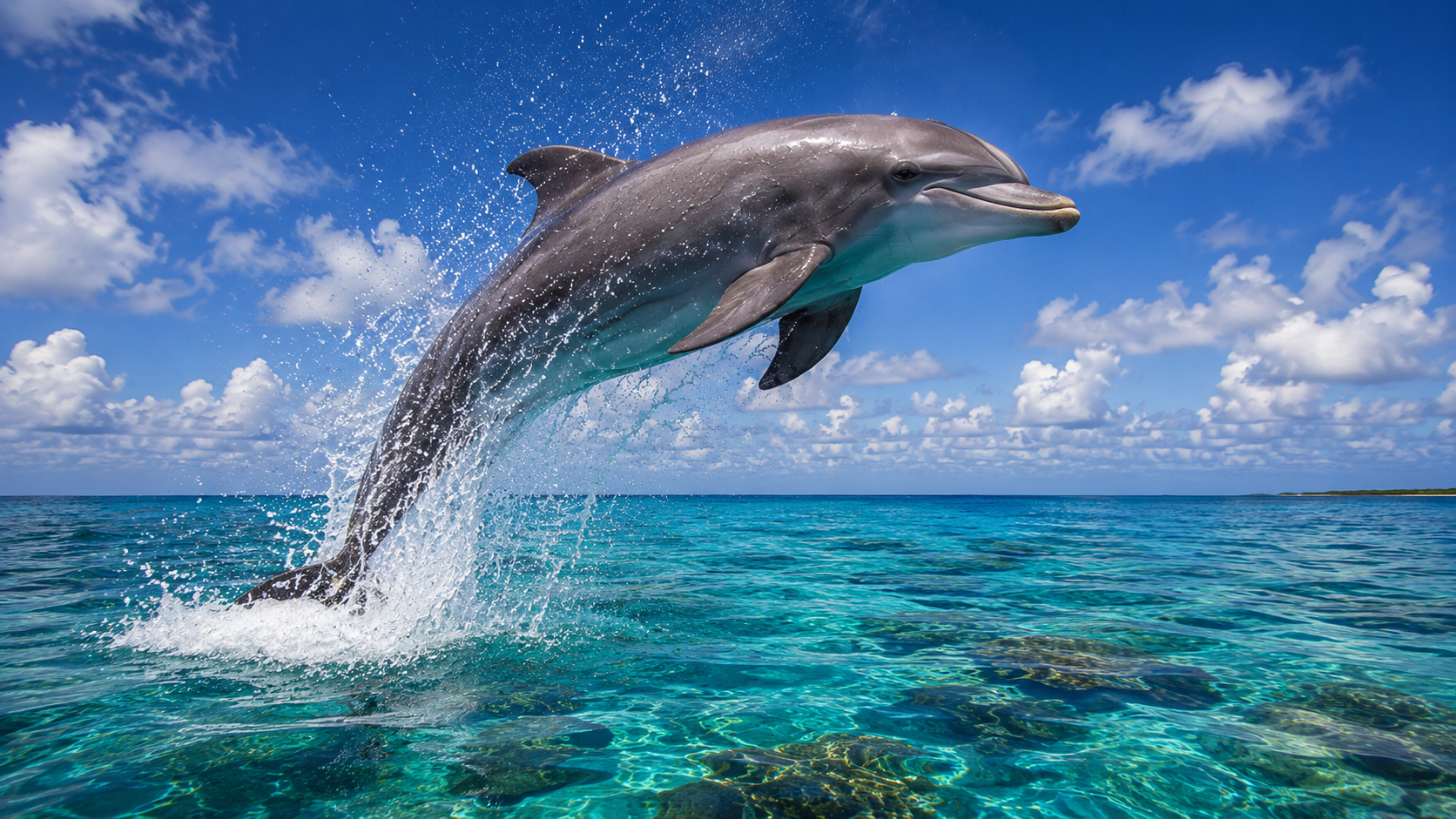
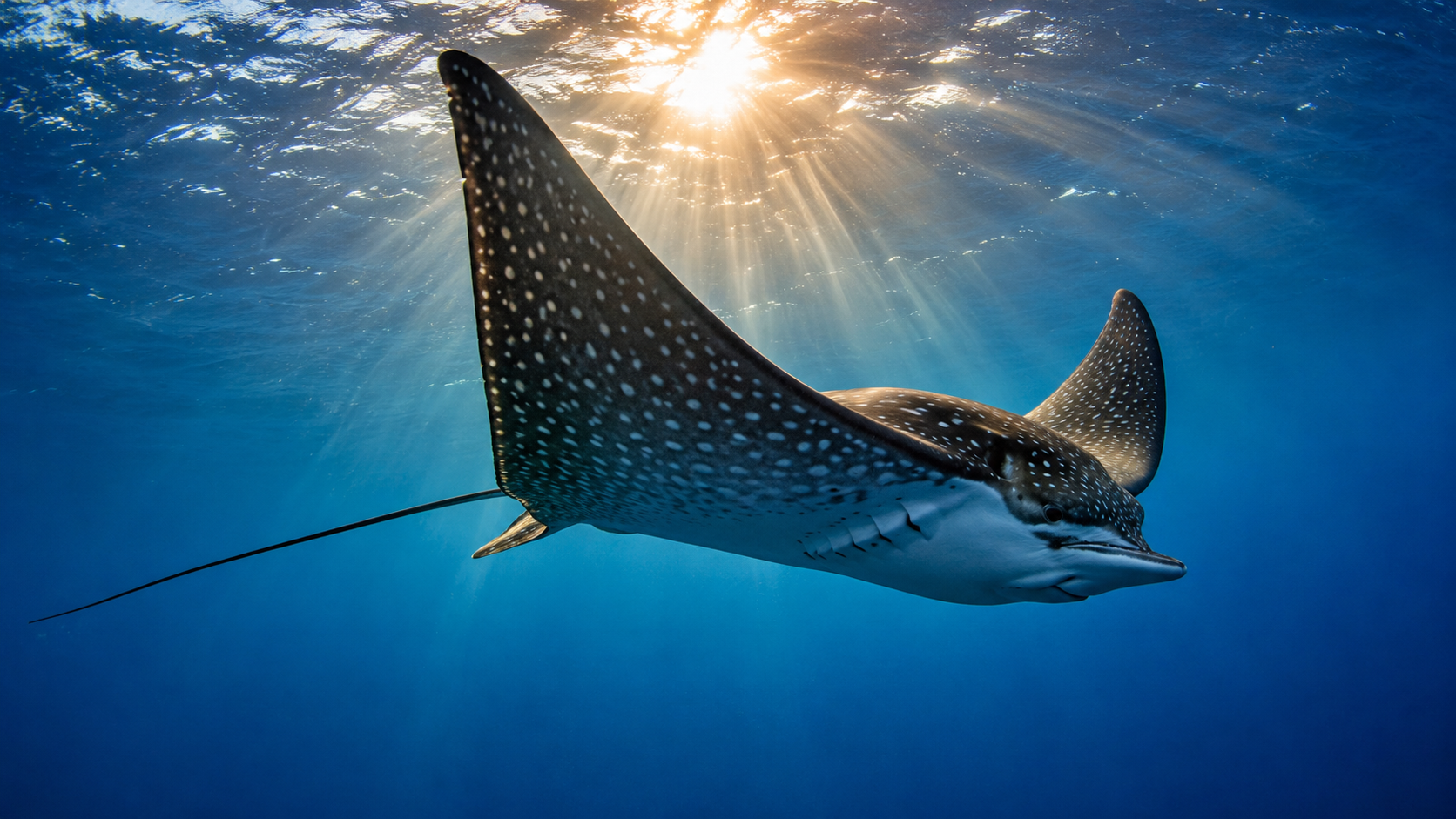
Resident dolphin pod, eagle rays, nurse sharks, 900 year old brain corals.
Reef Life
128 reef fish species documented across the archipelago; staghorn and elkhorn coral.
Seagrass Nurseries
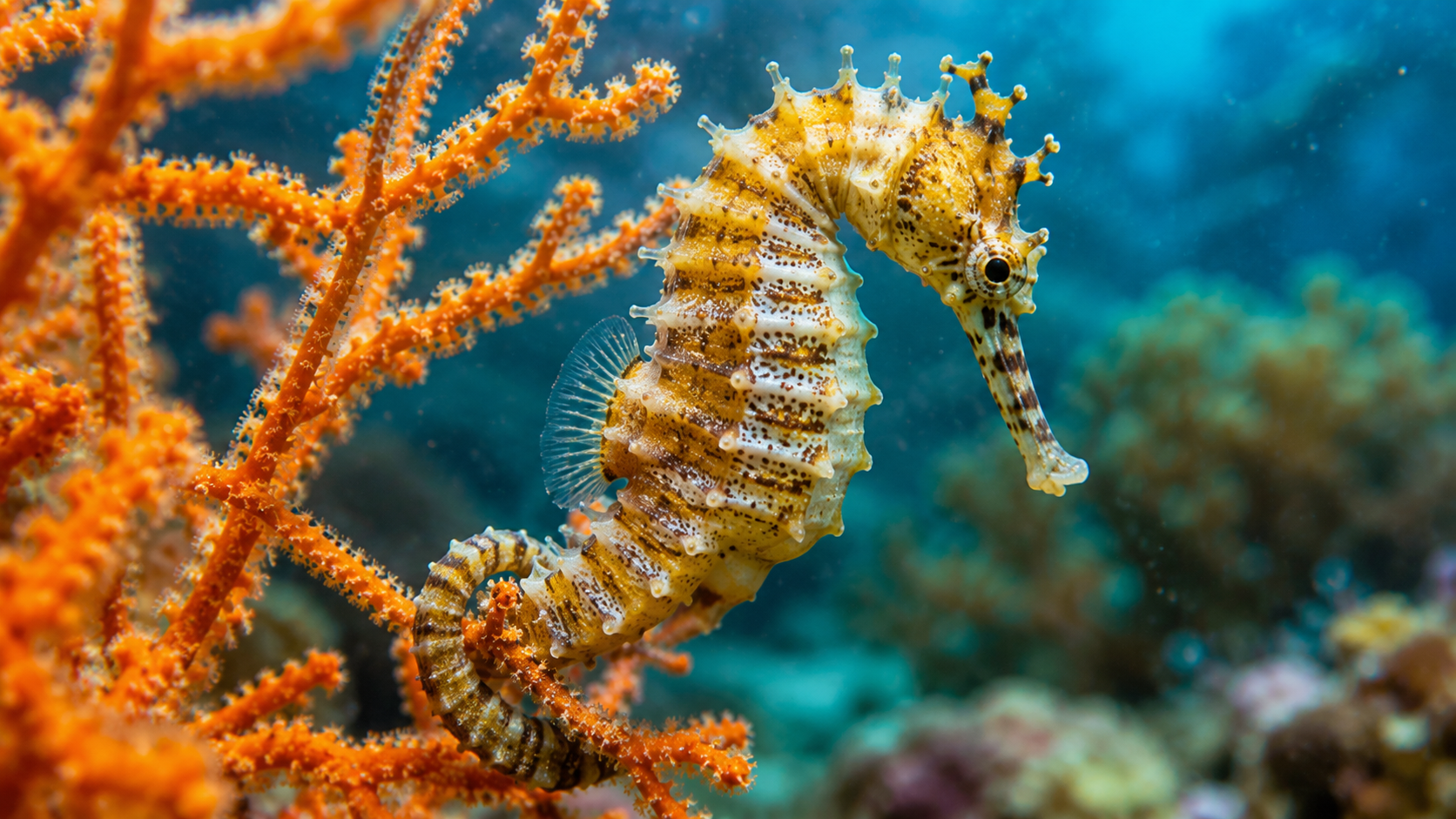
Seahorses, turtles, and juvenile fish in carbon sequestering meadows.
Rainforest & Birds
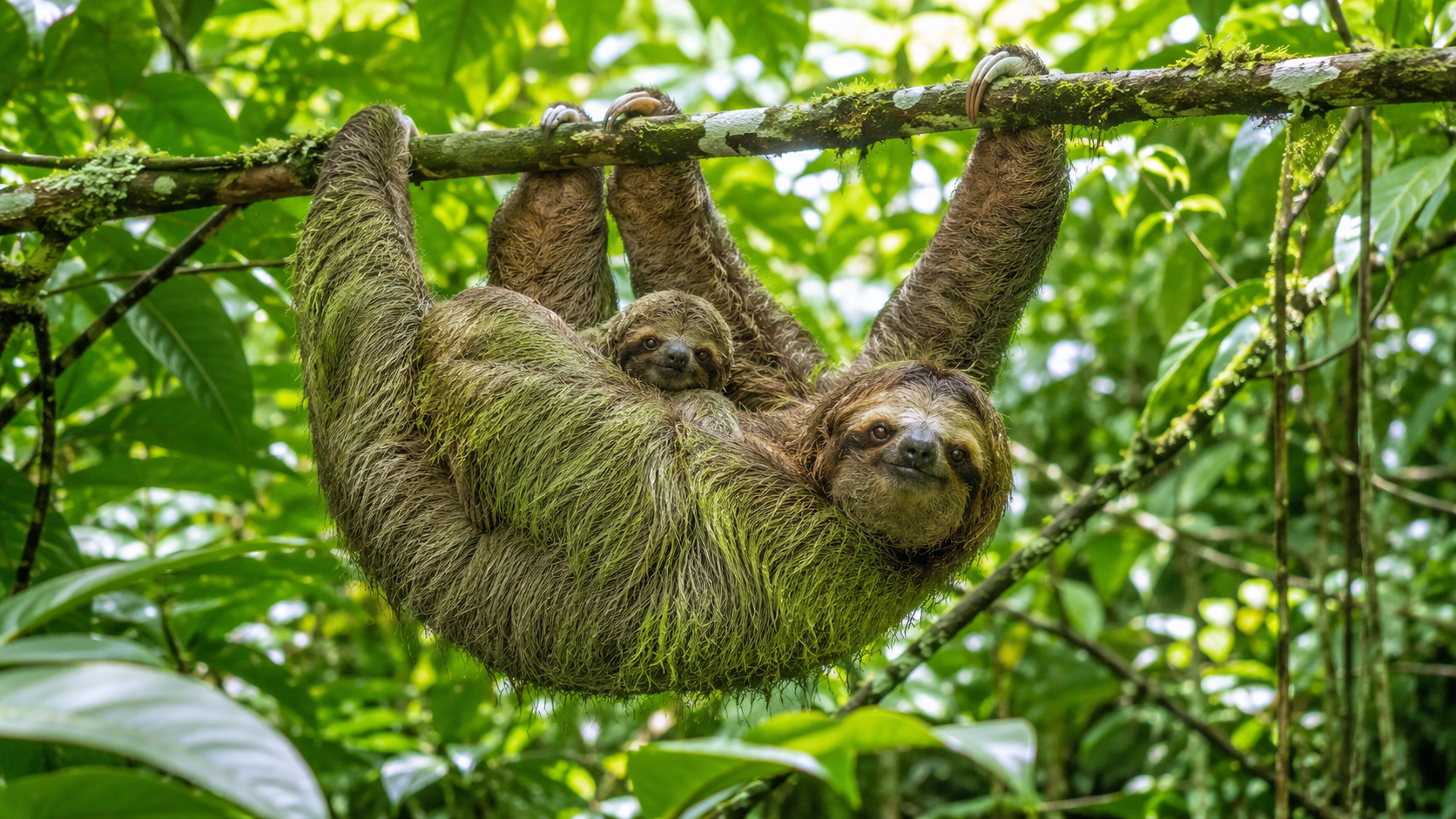
Endemic pygmy sloth, howler monkeys, kinkajous, and 778 bird species regionally.
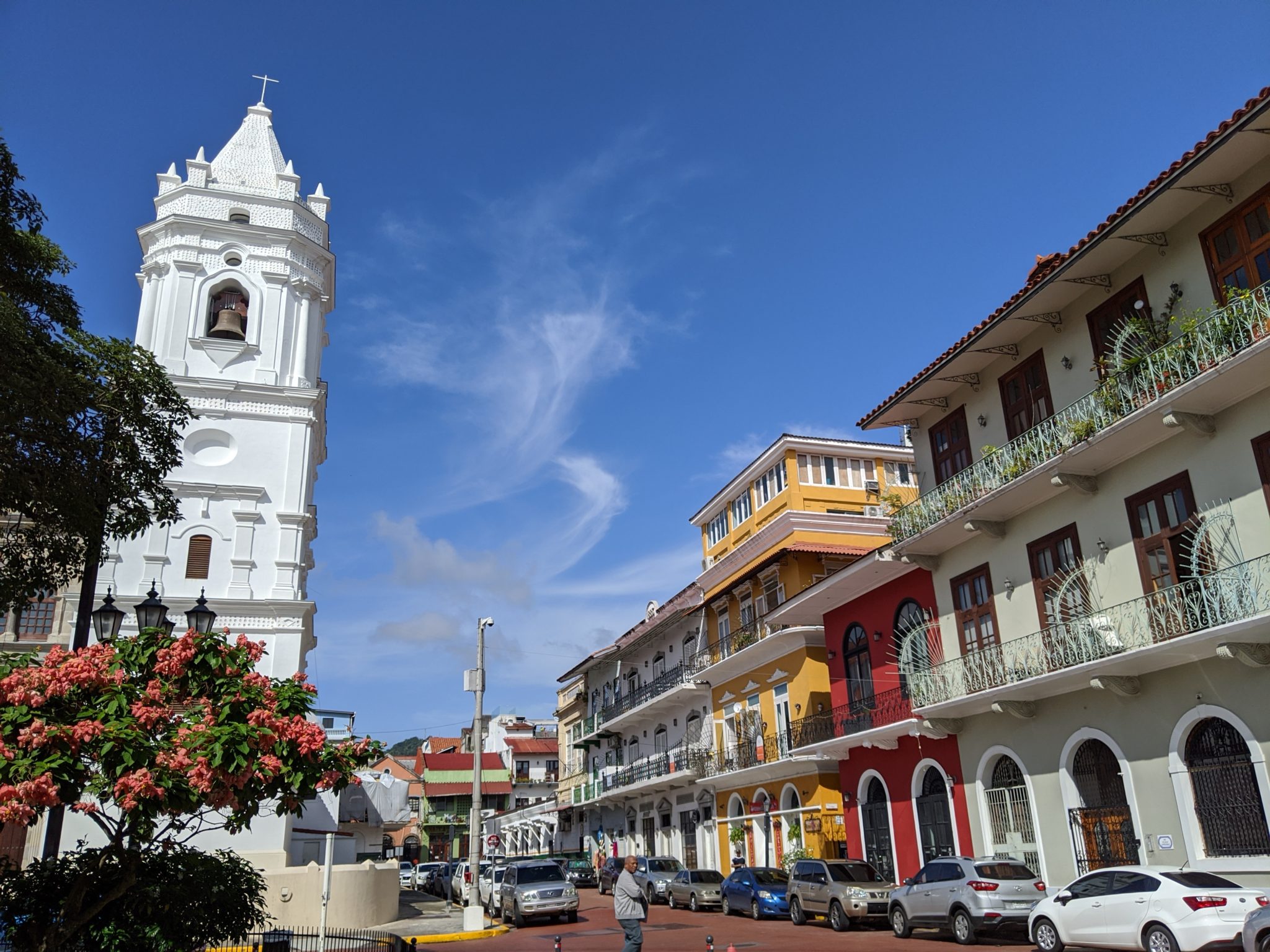
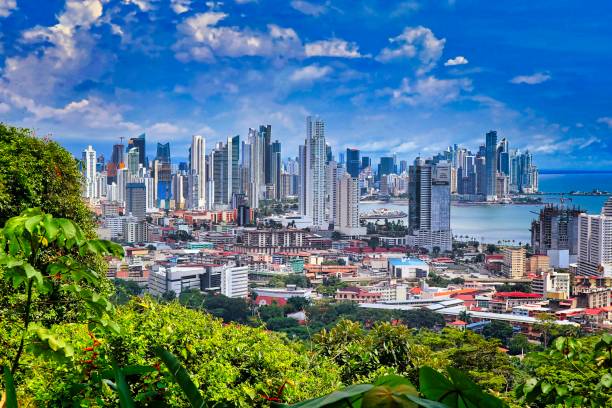
Panama by the Numbers
Why Panama
Eight Reasons the World Invests Here
Each card below summarizes key data. Click "Read More" to expand the full narrative.
Tai Nuare · Bocas del Toro · Panama
The right country.
The right island. The right moment.
Tai Nuare is a 405-acre private island sanctuary on Isla San Cristóbal, located within one of the world's most stable, connected, and climate-protected countries. A place where the global infrastructure of Panama meets the untouched ecology of Bocas del Toro.